

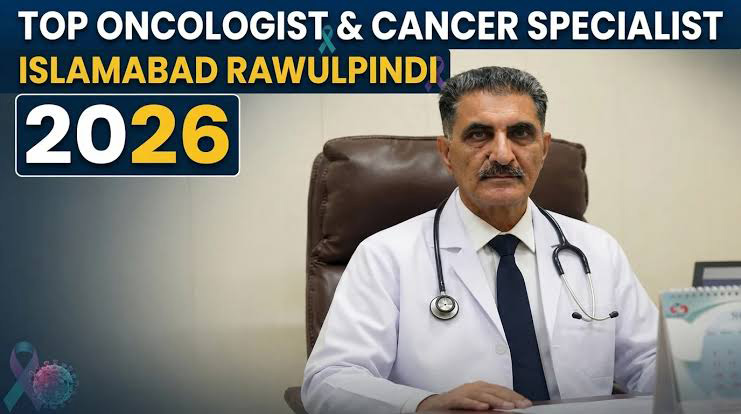
Top Oncologist & Cancer Specialist in Islamabad & Rawalpindi 2026
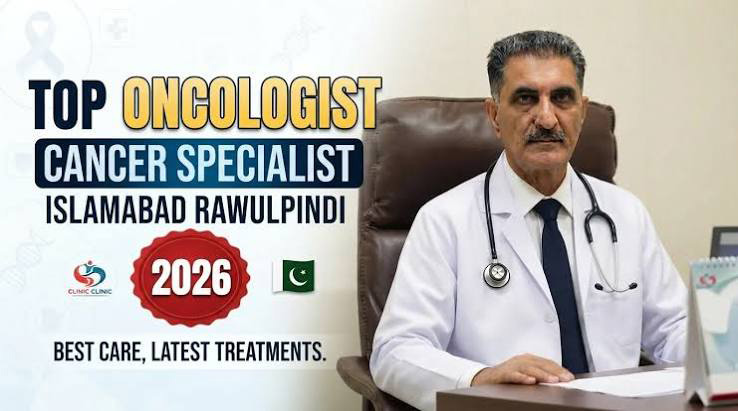
Cancer Specialist in Rawalpindi: A Complete Guide to Oncology Care, Cancer Diagnosis and Treatment
Cancer is a complex group of diseases that requires careful evaluation, accurate diagnosis, and an individualized treatment approach. From the first concern about a possible symptom to diagnosis, treatment, supportive care, and follow-up, an oncologist plays an important role throughout the cancer journey.
For patients and families, understanding when to see a cancer specialist, what services an oncologist provides, and what treatment options may be available can help them make informed decisions about their care.
If you are looking for a Cancer Specialist in Rawalpindi, it is important to seek consultation from a qualified medical professional with relevant experience in oncology.
What Is an Oncologist?
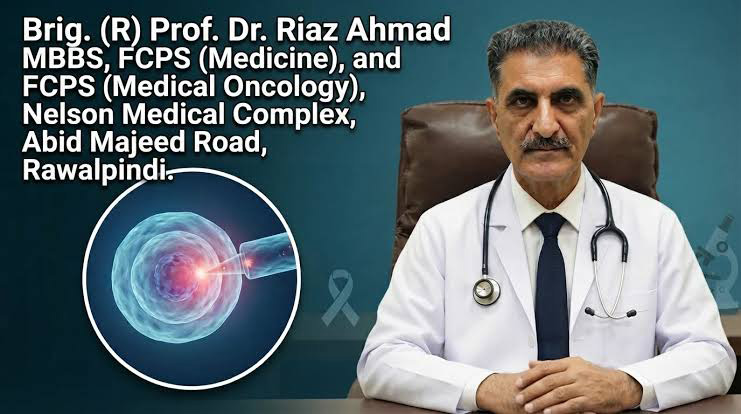
An oncologist, also known as a Cancer Specialist, is a doctor who specializes in the diagnosis, treatment, and management of cancer.
Cancer care often involves multiple stages. Depending on the patient’s condition, an oncologist may help with:
- Evaluating symptoms and medical history
- Reviewing diagnostic and laboratory reports
- Confirming and understanding the type of cancer
- Assessing the extent or stage of the disease
- Discussing appropriate treatment options
- Planning systemic cancer treatment where indicated
- Monitoring response to treatment
- Managing treatment-related symptoms and side effects
- Providing follow-up care after treatment
- Supporting long-term survivorship care
The uploaded source describes oncology care as extending from diagnosis and treatment through post-treatment follow-up and management.
When Should You See a Cancer Specialist?
Not every symptom means cancer. However, certain persistent or unexplained changes should be evaluated by a qualified doctor.
You should seek medical advice if you experience symptoms such as:
1. An Unusual Lump or Swelling
A new lump or persistent swelling in the breast, neck, abdomen, or another part of the body should not be ignored. A doctor can determine whether further evaluation or testing is necessary.
2. Unexplained Weight Loss
Unintentional weight loss may have many causes. If it is significant or persistent, a medical evaluation is important.
3. Persistent Fatigue
Ongoing fatigue that does not improve with adequate rest may require investigation, particularly when associated with other concerning symptoms.
4. Unusual Bleeding
Blood in stool or urine, unexplained bleeding, or other persistent changes should be discussed with a healthcare professional.
5. Persistent Pain or Other Body Changes
Persistent pain, changes in appetite, bowel habits, swallowing difficulties, or other unexplained symptoms should be medically assessed.
6. A Family History of Cancer
A family history of certain cancers may affect an individual’s risk assessment. A doctor can advise whether earlier evaluation, genetic counselling, or appropriate screening should be considered.
The source content specifically identifies abnormal body changes, unintended weight loss, lumps, family history of cancer, fatigue, pain, and suspicious changes in stool or urine as reasons to seek medical evaluation.
What Services Does an Oncologist Provide?
Cancer specialists may provide care across different stages of a patient’s journey.
Cancer Diagnosis and Evaluation
Before treatment begins, doctors need to understand exactly what they are treating. This may involve reviewing imaging, laboratory tests, pathology reports, biopsies, and other clinical findings.
Accurate diagnosis helps determine:
- The type of cancer
- The location of the cancer
- Its biological characteristics
- The extent of disease
- Appropriate treatment options
Personalized Treatment Planning
Cancer is not one disease, and two patients with the same named cancer may still require different treatment approaches.
A treatment plan may depend on:
- Type of cancer
- Stage and extent of disease
- Pathology findings
- Relevant molecular or biological test results
- Previous treatments
- Age and overall health
- Other medical conditions
- Individual treatment goals
The source emphasizes that oncologists develop treatment and cancer-management plans according to individual patient needs.
Common Cancer Treatments
Modern cancer treatment may involve one treatment or a combination of approaches.
Chemotherapy
Chemotherapy uses anti-cancer medicines to destroy or control cancer cells. It may be used before surgery, after surgery, alongside other treatments, or as the main systemic treatment in selected situations.
The exact medicines, dose, and schedule depend on the type of cancer and the individual patient’s clinical situation.
Immunotherapy
Immunotherapy is a treatment approach that helps the immune system recognize or respond to cancer in specific clinical situations. It is not appropriate for every cancer or every patient, so treatment decisions require proper medical assessment.
Targeted Therapy
Targeted therapy uses medicines designed to act on specific molecular or biological features associated with certain cancers. Testing may be required to determine whether a suitable targeted treatment is available.
Hormone Therapy
Some cancers are influenced by hormones. In selected hormone-sensitive cancers, treatment may include medicines that block hormone activity or reduce hormone stimulation.
Radiotherapy
Radiotherapy uses carefully planned radiation to treat cancer. It is delivered by a radiation oncology team and may be combined with surgery, systemic therapy, or other treatment approaches depending on the patient’s condition.
Surgery
For some cancers, surgery may be used to remove a tumour, obtain diagnostic tissue, or manage complications. Surgical treatment is performed by the appropriate surgical specialist.
The source also lists chemotherapy, radiotherapy, immunotherapy, pharmacotherapy, biopsy, surgery, and bone marrow procedures among common approaches and procedures associated with cancer care.
Types of Oncologists
Cancer care may involve specialists with different areas of expertise.
Medical Oncologist
A medical oncologist specializes in systemic cancer treatments, which may include chemotherapy, immunotherapy, targeted therapy, hormone therapy, and other anti-cancer medicines.
Radiation Oncologist
A radiation oncologist specializes in planning and delivering radiation treatment for cancer.
Surgical Oncologist
A surgical oncologist specializes in the surgical management of cancer.
Hematologist-Oncologist
This specialty focuses on cancers affecting the blood, bone marrow, and lymphatic system, including conditions such as leukemia, lymphoma, and multiple myeloma.
Gynecologic Oncologist
A gynecologic oncologist specializes in cancers affecting the female reproductive system.
Pediatric Oncologist
A pediatric oncologist specializes in diagnosing and treating cancer in children.
Urologic Oncology Specialists
These specialists focus on cancers involving the urinary and male reproductive systems, depending on the clinical setting and specialist training.
The source similarly organizes oncology into specialties including gynecological oncology, hemato-oncology, radiation oncology, urological oncology, and pediatric oncology.
Common Conditions Managed in Oncology
Oncology care covers many different types of cancer.
Breast Cancer
Breast cancer requires an accurate diagnosis and treatment plan based on factors such as the type of breast cancer, stage, pathology, and biological characteristics.
Depending on the individual case, treatment may involve surgery, radiation therapy, chemotherapy, hormone therapy, targeted treatment, or a combination of these approaches.
Lung Cancer
Lung cancer treatment depends on the type and stage of the disease, along with the patient’s overall health and tumour characteristics. Some patients may benefit from surgery, radiation, systemic treatment, or combined approaches.
Gastrointestinal and Colorectal Cancers
Gastrointestinal cancers can affect organs such as the stomach, colon, rectum, pancreas, liver, and other parts of the digestive system.
Treatment decisions require proper diagnostic assessment and may involve several specialties.
Blood Cancers
Blood malignancies include cancers such as leukemia, lymphoma, and multiple myeloma. Management depends on the specific diagnosis and disease characteristics.
Head and Neck Cancers
Head and neck cancers may involve areas such as the mouth, throat, larynx, and related structures. Early evaluation of persistent symptoms is important.
Prostate and Other Urologic Cancers
Cancers affecting the prostate, bladder, kidneys, and other parts of the urinary system require individualized assessment and treatment planning.
The source discusses several cancers commonly addressed by oncology services, including breast, oral cavity, esophageal, colorectal, and non-melanoma skin cancers.
The Importance of Cancer Screening and Early Detection
Cancer screening aims to identify certain cancers or precancerous changes before symptoms develop or when disease may be detected at an earlier stage.
However, screening is not the same for every person. Appropriate screening depends on factors such as:
- Age
- Sex
- Family history
- Personal medical history
- Known risk factors
- Previous cancer diagnoses
A doctor can help determine which screening discussions are appropriate for an individual patient.
The source identifies routine screening as an important part of oncology-related care for early detection and proactive assessment.
Palliative and Supportive Cancer Care
Cancer care is not only about treating the disease itself. Patients may also need help managing symptoms, treatment side effects, emotional concerns, and quality-of-life issues.
Supportive and palliative care can address concerns such as:
- Pain
- Nausea and vomiting
- Fatigue
- Appetite problems
- Sleep difficulties
- Emotional distress
- Other symptoms related to cancer or its treatment
Palliative care can be considered at different stages of serious illness and focuses on improving comfort, symptom control, and quality of life.
The uploaded source includes palliative care as an important oncology service and describes its focus on medical guidance and patient well-being.
Why Follow-Up Care Is Important
Cancer care may continue after active treatment is completed.
Follow-up appointments may help doctors:
- Monitor recovery
- Assess treatment side effects
- Review new symptoms
- Monitor for possible recurrence when clinically appropriate
- Support long-term survivorship needs
The frequency and type of follow-up depend on the patient’s cancer, treatment history, and individual clinical needs.
The source also highlights post-treatment follow-up as part of ongoing oncology care.
How to Choose a Cancer Specialist
Choosing the right specialist is an important healthcare decision. Consider factors such as:
Relevant Qualifications
Review the doctor’s medical qualifications and training relevant to your condition.
Experience
Experience in managing particular cancer types and treatments can be an important consideration.
Available Services
Make sure the specialist or treatment team provides the services relevant to your diagnosis.
Communication
Patients should feel able to ask questions and understand their diagnosis, treatment options, possible benefits, risks, and expected follow-up.
Multidisciplinary Care
Some cancer cases require collaboration between medical oncologists, surgeons, radiation oncologists, pathologists, radiologists, and other healthcare professionals.
The source recommends considering an oncologist’s experience, services, qualifications, and patient feedback when evaluating options.
Cancer Specialist in Rawalpindi – Dr. Riaz Ahmad
Patients looking for specialized oncology care in Rawalpindi can learn more about Dr. Riaz Ahmad, Cancer Specialist / Medical Oncologist, through his official website.
Publicly available professional profiles list qualifications including MBBS, FCPS (Medicine), and FCPS (Medical Oncology), with practice at Nelson Medical Complex on Abid Majeed Road, Rawalpindi.
Recommended Backlink Anchor Text
Cancer Specialist in Rawalpindi
Cancer Specialist in Rawalpindi – Dr. Riaz Ahmad
Other natural anchor-text options for backlink content include:
- Best Cancer Specialist in Rawalpindi
- Medical Oncologist in Rawalpindi
- Cancer Treatment Specialist in Rawalpindi
- Expert Oncology Care in Rawalpindi
- Dr. Riaz Ahmad – Cancer Specialist
For backlink SEO, it is generally better to use anchor text naturally within relevant content rather than repeating the exact same keyword excessively.
When to Book a Consultation
Consider seeking professional medical advice if you have:
- A newly diagnosed cancer
- An abnormal biopsy or pathology result
- A suspicious scan or test result
- Persistent unexplained symptoms
- Questions about chemotherapy or other cancer treatments
- A need to discuss a treatment plan
- Concerns about treatment side effects
- A need for cancer screening guidance based on your personal risk
A specialist consultation can help you understand your diagnosis and discuss the appropriate next steps based on your individual medical situation.
Final Thoughts
A cancer diagnosis requires careful evaluation, accurate information, and an individualized approach to care. Oncology may involve diagnosis, treatment planning, systemic therapies, supportive care, symptom management, and long-term follow-up.
Early medical evaluation of persistent or concerning symptoms and appropriate consultation with qualified healthcare professionals can help patients understand their condition and available options.
For information about oncology consultation and cancer care with Dr. Riaz Ahmad in Rawalpindi, visit:
Medical Disclaimer: This article is intended for general educational and informational purposes only. It does not provide a diagnosis or replace consultation with a qualified healthcare professional. Cancer screening, diagnosis, and treatment decisions should always be based on an individual’s medical condition and professional medical advice.